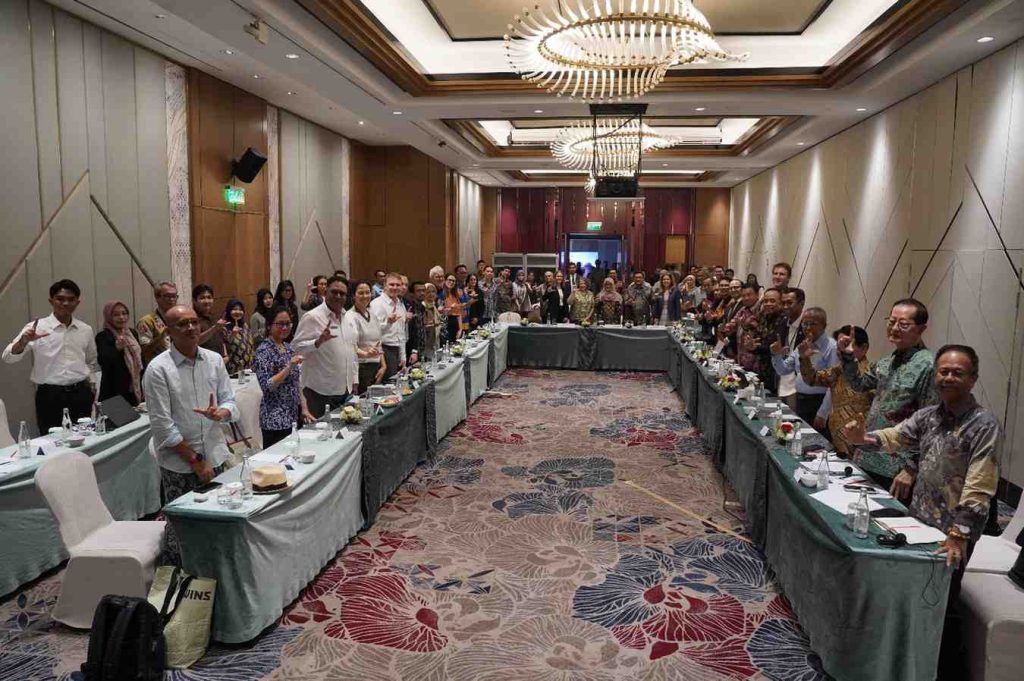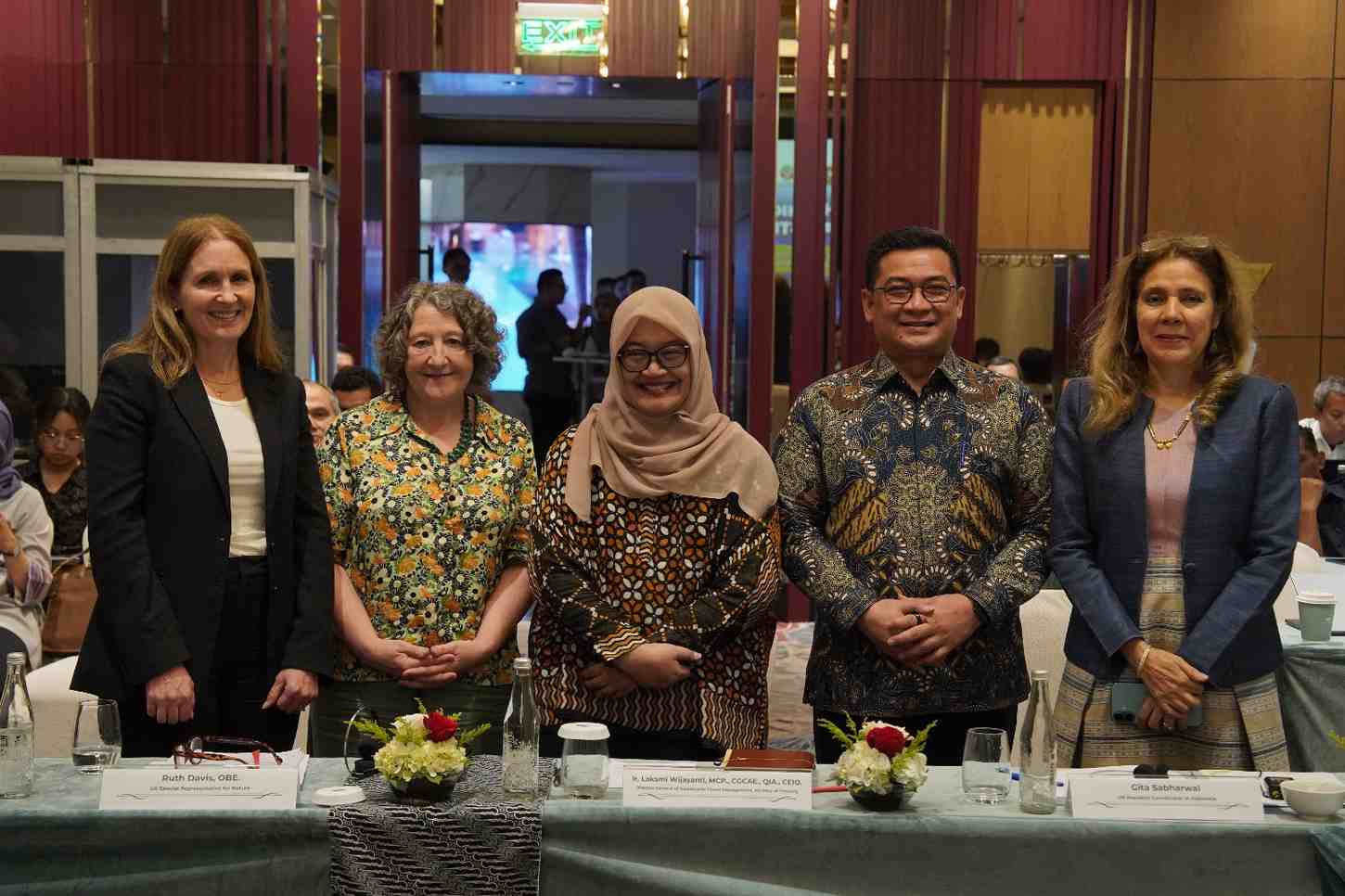
“Melalui pendekatan penataan yang kuat, Indonesia dapat memastikan bahwa aktivitas pasar karbon di tingkat proyek sepenuhnya selaras dengan komitmen iklim nasional, memperkuat transparansi, integritas lingkungan, dan jalur kita menuju pencapaian target pengurangan emisi nasional,” kata Ilham, Direktur Pengembangan Bisnis Kehutanan di Kementerian Kehutanan.
Isu ini juga telah menarik minat yang besar dari mitra pembangunan yang mendukung agenda hutan dan iklim Indonesia.
Duta Besar Norwegia untuk Indonesia, Rut Krüger Giverin, menggambarkan penataan bertahap (nesting) sebagai langkah penting selanjutnya dalam memperkuat kepercayaan terhadap pasar karbon.
“Norwegia adalah mitra lama dalam upaya Indonesia untuk mengurangi deforestasi. Melalui kolaborasi dengan UN-REDD dan mitra lainnya, kami telah mendukung pengembangan sistem pemantauan hutan nasional, perlindungan, dan kerangka kerja yang mendukung hasil yang kredibel,” katanya.
“Memperkuat kejelasan tentang penataan berlapis akan membantu memastikan bahwa pengurangan emisi bersifat transparan dan kredibel, sekaligus membangun kepercayaan jangka panjang pada pasar karbon dan memungkinkan transaksi karbon yang berintegritas tinggi.”
Para pelaku sektor swasta mengatakan bahwa kejelasan semakin menjadi hal yang penting. Baik pengembang proyek maupun pembeli menunjuk pada ketidakpastian seputar aturan akuntansi dan pengaturan pembagian keuntungan sebagai hambatan utama untuk meningkatkan skala investasi.
Tanpa kerangka kerja yang lebih jelas dan dapat diprediksi, keputusan investasi jangka panjang tetap sulit — terutama di pasar di mana kekhawatiran tentang integritas terus membentuk perilaku pembeli.
Koordinator Tetap PBB di Indonesia, Gita Sabharwal, mengatakan bahwa kemajuan Indonesia kemungkinan akan membawa implikasi yang jauh melampaui batas negaranya.
“Kemajuan Indonesia akan dipantau secara ketat oleh negara-negara tetangga, oleh para pembeli yang mencari kredit hutan dengan integritas tinggi, dan oleh komunitas global yang mencari kepemimpinan iklim yang memberikan hasil nyata,” katanya.
“Indonesia kini memiliki kesempatan untuk membantu menetapkan standar global untuk tindakan pengelolaan hutan berdasarkan yurisdiksi, yang berlandaskan integritas, keadilan, dan kepemilikan nasional.”
Bagi banyak peserta, pesan yang lebih luas adalah bahwa tantangan yang dihadapi Indonesia bukan lagi apakah pasar karbon hutan akan muncul, tetapi apakah negara-negara dapat membangun sistem yang dibutuhkan untuk membuat pasar tersebut kredibel, dapat diperluas, dan siap untuk investasi.
Seperti yang dikatakan Ilham ST, MT, Direktur Manajemen Bisnis Pemanfaatan Kehutanan:
“Indonesia memiliki fondasi yang kuat, mulai dari komitmen iklim yang ambisius dan kerangka peraturan yang progresif hingga ekosistem pasar karbon yang berkembang. Tantangan ke depan bukanlah ambisi, tetapi operasionalisasi.”